


The Benefits of a Seasonal Oil Change for Your Chevy

Your Chevy was engineered for strength, precision, and reliability, but even the best engines need the right maintenance to stay that way. At the heart of that maintenance routine is one simple yet critical service: the oil change.
It’s easy to underestimate how much difference fresh oil makes. But if you think of oil as the circulatory system of your vehicle, the importance becomes clear. It lubricates every moving part, regulates temperature, and cleans the engine from within. Without clean oil, friction increases, components wear prematurely, and the risk of breakdowns rises sharply.
Now, here’s the part many drivers overlook: not all oil changes are equal throughout the year. The best time to replace your oil isn’t just “when the sticker says so.” It’s with the seasons.
Why Oil Changes Are the Lifeblood of Your Chevy
Oil performs four key functions inside your engine:
- Lubrication – It creates a thin film between fast-moving metal parts, minimizing friction and wear.
- Cooling – It absorbs heat from combustion and friction, keeping internal temperatures stable.
- Cleaning – Detergents and dispersants in the oil trap soot, carbon, and metal particles to prevent buildup.
- Protection – It coats parts to prevent corrosion and oxidation, especially during periods of disuse.
Over time, these protective qualities degrade. Heat, moisture, and contaminants gradually thicken and darken the oil. When that happens, your engine loses efficiency, and if neglected too long, it can lead to costly damage like worn bearings, stuck piston rings, and even total engine failure.
Changing oil seasonally ensures your Chevy is always protected against the unique challenges each part of the year brings.
Understanding Seasonal Factors
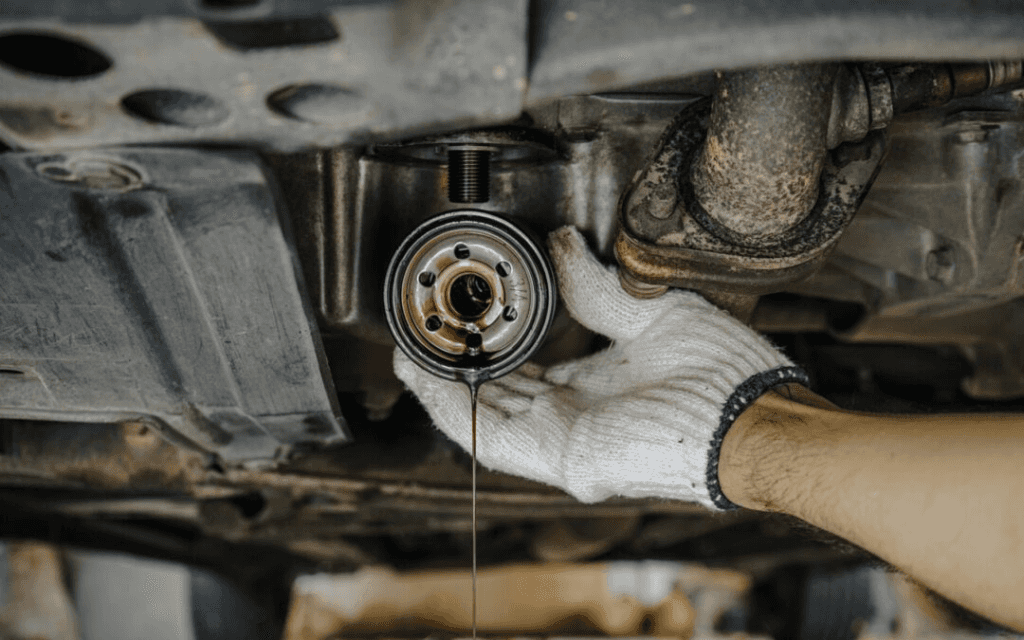
1. Winter: Cold Starts and Thickened Oil
When temperatures drop, oil thickens, even synthetic blends. Thick oil moves more slowly through your engine, delaying lubrication when you start the car. Those first few seconds of “dry running” cause the most engine wear of all.
By performing an oil change before winter, your Chevy gets oil designed for low-temperature performance. Winter-rated oils flow faster, ensuring instant protection during cold starts and helping your engine warm up efficiently.
Bonus tip: If you drive a Silverado or Tahoe that spends winters towing or idling frequently, winter oil service is even more critical. Extended idling and short trips don’t allow oil to burn off moisture, which can lead to sludge buildup.
2. Spring: Clearing Out Winter Contaminants
Winter driving introduces moisture, road salt, and grime into your engine bay and crankcase ventilation system. Even the best filters can’t prevent microscopic debris from circulating through old oil.
A spring oil change clears out the remnants of winter, contaminants that could cause corrosion or clog internal passages. It’s also an ideal time to inspect your oil filter, air filter, and wiper blades as part of a spring tune-up.
At Richard Lucas Chevy, our technicians often find that vehicles skipping a spring oil change show early signs of internal rust, especially in vehicles that sat idle during the cold months.
3. Summer: Heat, Heavy Loads, and High Stress
Summer brings long drives, heavy towing, and blazing highway heat, all of which accelerate oil breakdown. When oil becomes too thin, it can no longer maintain a stable lubricating film, leaving metal components exposed to friction and wear.
Fresh oil ensures that your engine maintains optimal viscosity (thickness) even under high thermal stress. For SUVs and trucks like the Suburban, Silverado, and Traverse, which often haul or tow during summer, using the correct viscosity grade is essential to protect against overheating and engine knock.
Chevy Tip: If you’re planning road trips or hauling equipment to the Jersey Shore, always get an oil change before summer, and consider synthetic oil for added thermal protection.
4. Fall: Preparation and Preventive Care
Fall is the unsung hero of maintenance seasons. It’s the perfect time to prepare your Chevy for the colder months ahead — not just with fresh oil, but with an inspection that ensures all fluids and filters are ready for the transition.
An autumn oil change helps remove buildup from summer driving and provides a clean slate before winter storage or heavy cold-weather use. It’s especially valuable for vehicles that will see less mileage over the holidays; oil that sits too long can absorb moisture and lose its protective properties.
How Seasonal Oil Changes Improve Engine Health
1. Faster Circulation and Smoother Operation
Fresh oil flows freely, reducing strain during cold starts and heavy acceleration. You’ll notice quieter idle, smoother shifting, and better throttle response, subtle signs your engine is operating efficiently.
2. Lower Operating Temperatures
Old, degraded oil struggles to absorb and dissipate heat. Clean oil helps regulate engine temperature, preventing overheating in summer and improving heat retention in winter.
3. Cleaner Internal Components
Each oil change removes built-up contaminants that can restrict oil flow. Fresh oil prevents sludge from forming on critical parts like camshafts and lifters, preserving power and responsiveness.
4. Maximized Fuel Efficiency
A clean, well-lubricated engine runs more efficiently. Less friction means less wasted energy — and over thousands of miles, that translates to measurable fuel savings.
5. Extended Engine Longevity
Perhaps the most important benefit: every seasonal oil change reduces wear on expensive internal parts. With consistent maintenance, your Chevy’s engine can easily surpass 200,000 miles of strong, dependable performance.
Choosing the Right Oil for Your Chevy
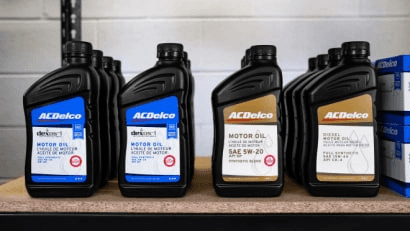
Chevrolet engines are precision-built to operate with specific oil formulations and viscosities. Using the correct oil isn’t just a recommendation — it’s essential to maintain warranty coverage and peak performance.
Here’s what you should know:
- Conventional Oil: A good choice for older or low-mileage vehicles, though it requires more frequent changes.
- Synthetic Oil: Engineered for modern Chevys, synthetic oil resists temperature extremes, reduces deposits, and lasts longer between services.
- Dexos®-Certified Oils: Chevrolet’s own standard for advanced protection. All GM vehicles require oils that meet Dexos specifications — these oils contain proprietary additives that outperform generic blends.
- Viscosity Rating (Example: 5W-30): The first number (“5W”) represents winter flow; the second number (“30”) represents operating thickness. Seasonal oil changes ensure your engine always has the right balance for current temperatures.
At Richard Lucas Chevy, every oil change includes Dexos-approved oil tailored for your model and driving habits. Our technicians verify the correct viscosity, inspect the filter, and perform a full multi-point check to ensure every system runs in harmony.
Oil Changes as Preventive Maintenance
A seasonal oil change isn’t just about the oil itself — it’s a vital opportunity to assess your vehicle’s overall health. Every service visit at Richard Lucas Chevy includes:
- A Multi-Point Inspection: Checking brakes, tires, filters, fluids, belts, and hoses.
- Fluid Top-Offs: Coolant, brake, and transmission fluids checked for proper levels and contamination.
- Visual Safety Checks: Ensuring there are no leaks, corrosion, or worn components that could lead to future issues.
Think of it as a wellness check-up for your Chevy — quick, affordable, and potentially life-saving for your engine.
What Happens If You Skip Oil Changes?
Some drivers delay oil service, thinking “one more month won’t hurt.” But here’s what really happens:
- Oil Oxidation: Air exposure and heat cause oil to thicken and form sludge.
- Additive Depletion: Anti-wear and detergent additives lose potency, leaving metal unprotected.
- Contaminant Buildup: Dirt and combustion byproducts circulate, scoring internal components.
- Reduced Efficiency: Engine drag increases, fuel economy drops, and exhaust emissions rise.
- Component Failure: In extreme neglect, oil starvation can seize the engine — one of the costliest repairs in automotive maintenance.
By contrast, a seasonal oil change costs less than a night out, but prevents thousands in future repairs.
Why Choose Richard Lucas Chevy
When you bring your vehicle to Richard Lucas Chevy, you’re partnering with experts who treat your vehicle as if it were their own.
- Certified Chevy Technicians: Factory-trained specialists with advanced diagnostic equipment.
- Genuine GM Parts and Oil: The exact products your Chevy was engineered for.
- Transparent Recommendations: We’ll show you what your vehicle needs now and what can wait.
- Comfort and Convenience: Relax in our lounge or use our quick service option for express oil changes.
- Local Trust: Proudly serving Avenel, Woodbridge, Rahway, and the greater Middlesex County area with honest, reliable care.
Your Chevy deserves protection that changes with the seasons. A simple, timely oil change gives your engine the power to perform, whether it’s starting in freezing temperatures, hauling heavy loads in July, or cruising through crisp fall evenings.
At Richard Lucas Chevy, we believe maintenance should be proactive, not reactive. Seasonal oil changes are one of the most effective ways to ensure your Chevy runs cleaner, stronger, and longer.
Don’t wait for the check oil lightm get ahead of the season. Schedule Your Oil Change Today!
0 comment(s) so far on The Benefits of a Seasonal Oil Change for Your Chevy