


Spring Vehicle Maintenance Checklist for New Jersey Drivers: What to Inspect After Winter
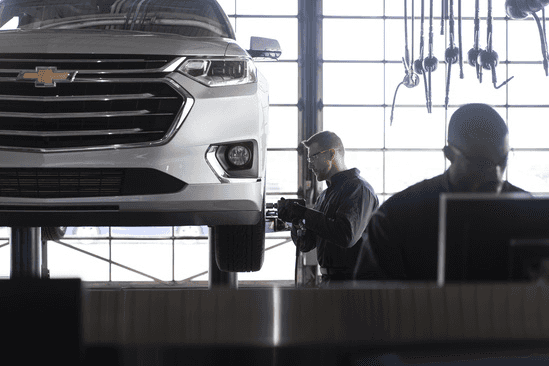
New Jersey winters are tough on vehicles. Road salt, snow, ice, freezing temperatures, and constant potholes create a perfect storm of wear and tear. Even if your vehicle handled winter without issue, hidden damage can surface as temperatures rise.
Spring is not just about cleaning your car. It is about protecting its performance, safety, and long-term value.
At Richard Lucas Chevrolet, we recommend that every driver complete a thorough post-winter inspection.
1. Tires: The First Line of Safety
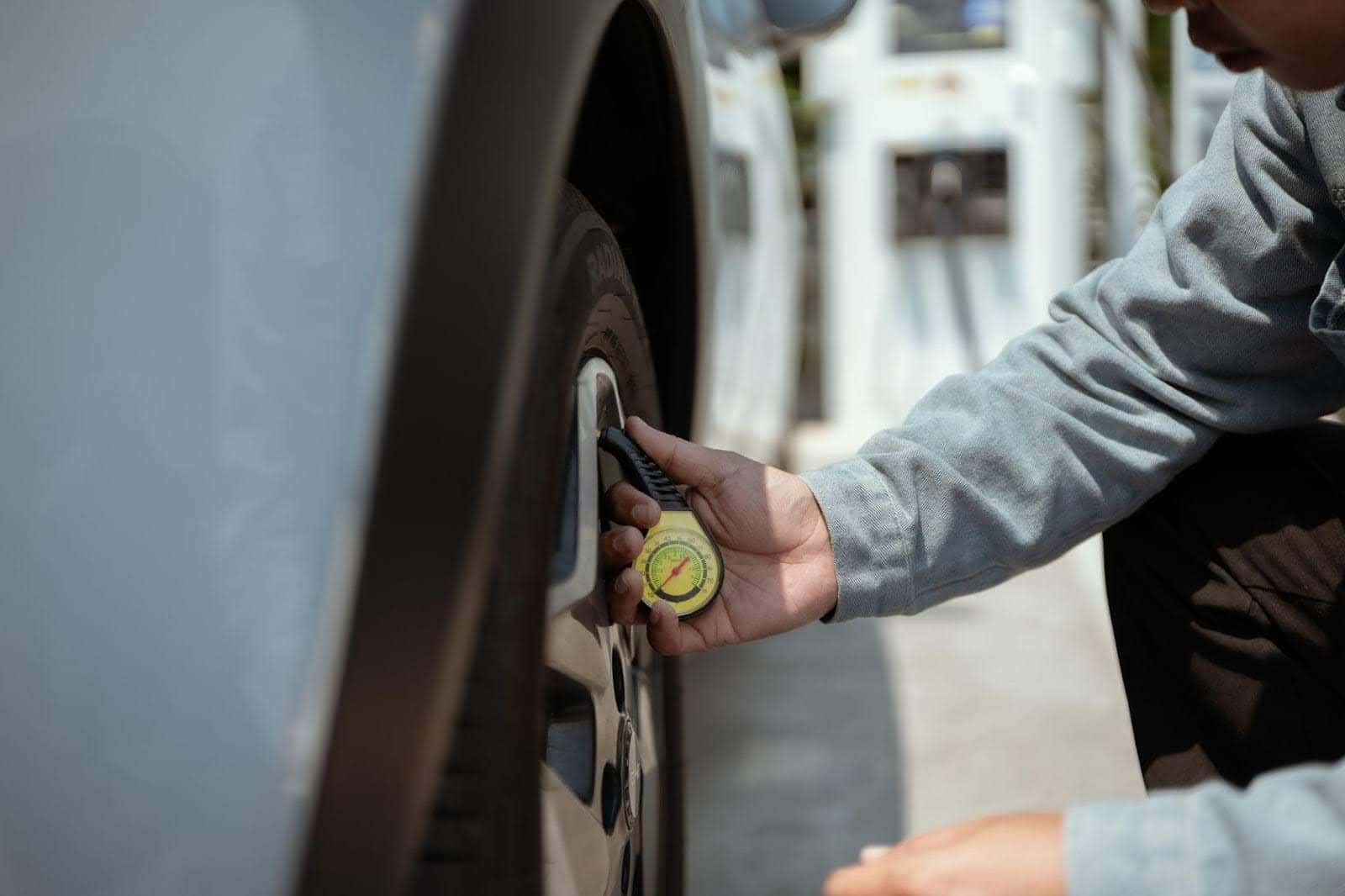
Your tires absorb the worst of winter. Cold temperatures cause rubber to stiffen. Snow and ice reduce traction. Potholes can damage the internal structure without obvious signs.
What Winter Does to Tires
- Low temperatures reduce air pressure by about 1 PSI for every 10-degree drop
- Road salt accelerates rubber deterioration
- Pothole impacts can cause sidewall bubbles or internal belt damage
- Misalignment from rough roads leads to uneven tread wear
What to Inspect This Spring
Tread Depth
New Jersey’s spring rain demands strong traction. Use the penny test or a tread gauge. If tread depth is 2/32 of an inch or lower, replacement is necessary.
Uneven Wear Patterns
Feathering, cupping, or inner-edge wear often indicates alignment or suspension issues.
Sidewall Damage
Look for cracks, bulges, or cuts. Even small sidewall damage can lead to sudden failure.
Tire Pressure
As temperatures rise, pressure increases. Verify that each tire is set to the manufacturer’s recommended PSI.
If you used winter tires, spring is the time to switch back to all-season tires. Driving on winter tires in warm weather increases wear and reduces handling precision.
2. Brakes: Salt and Moisture Accelerate Corrosion
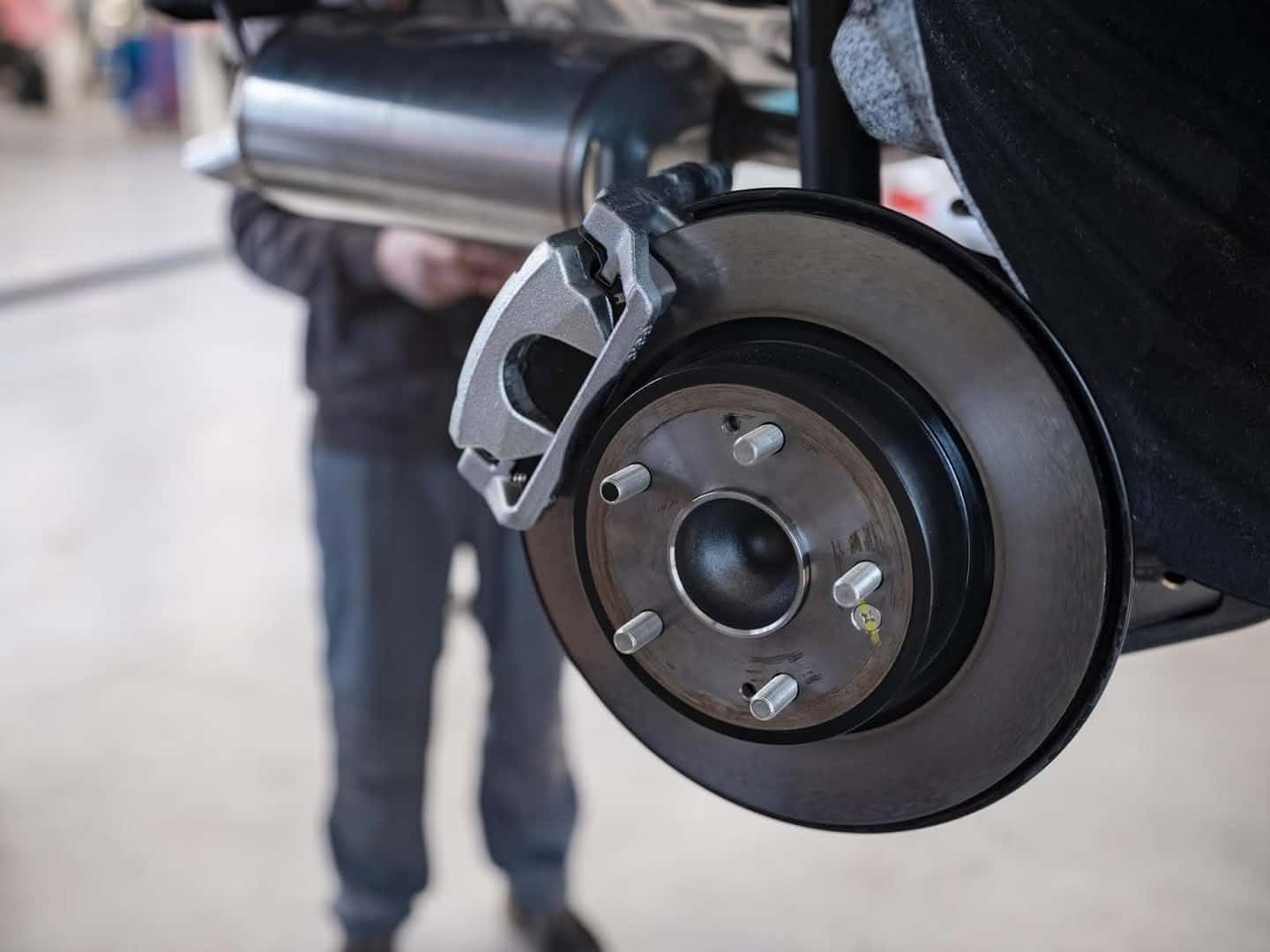
Brake systems are especially vulnerable during the winter months.
Common Winter Brake Issues
- Surface rust forming on rotors
- Salt corrosion on brake lines
- Moisture contamination in brake fluid
- Accelerated pad wear due to slushy road debris
Light surface rust may disappear after driving, but deeper corrosion affects stopping power.
Signs You Need a Brake Inspection
- Squealing or grinding sounds
- Steering wheel vibration when braking
- Spongy brake pedal
- Vehicle pulling to one side
- Brake warning light illuminated
Spring is an ideal time for a brake pad measurement, rotor inspection, and brake fluid condition check. Wet spring roads demand reliable stopping power.
3. Fluids: Winter Stress Carries Into Warmer Months
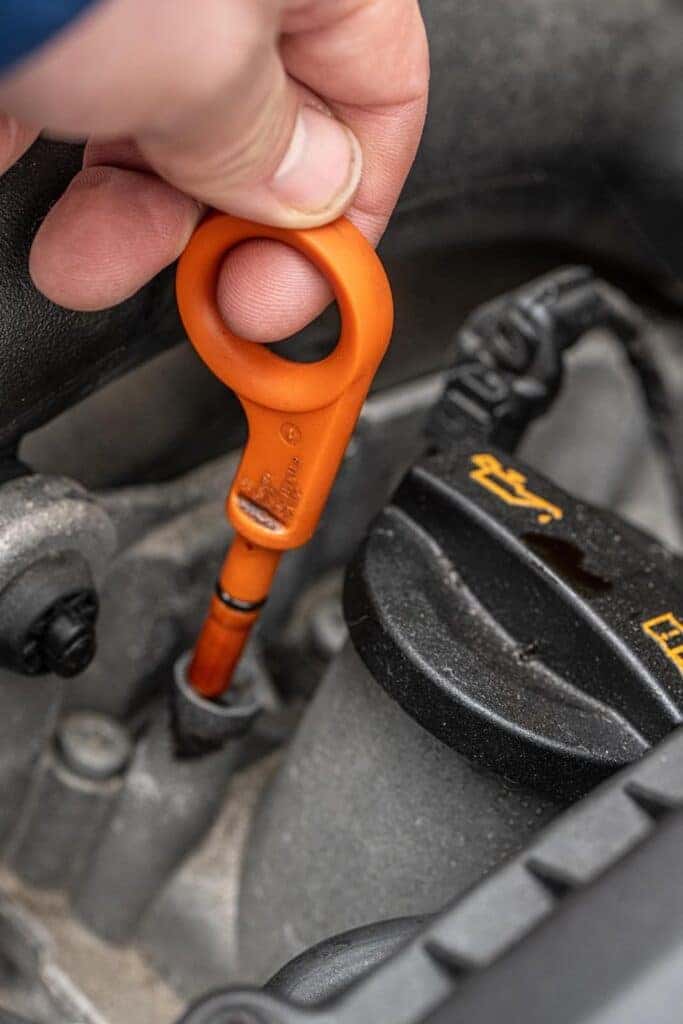
Fluids are your vehicle’s lifeblood. Cold starts and winter idling increase fluid breakdown.
Engine Oil
Frequent cold starts cause thicker oil and added engine strain. If you delayed oil service during winter, spring is the time to reset your maintenance schedule.
Coolant
Coolant protects against freezing in winter, but it also prevents overheating in summer. Ensure the coolant mixture is balanced and the reservoir is at the correct level.
Brake Fluid
Brake fluid absorbs moisture over time. Winter humidity and salt exposure increase contamination risk. Moisture reduces braking efficiency.
Transmission Fluid
Cold weather stresses automatic transmissions. A fluid inspection ensures proper lubrication and smooth shifting.
Windshield Washer Fluid
Spring showers require clear visibility. Refill with a quality solution and check that spray nozzles are not clogged with salt residue.
A full multi-point inspection ensures all fluid levels and conditions meet factory specifications.
4. Alignment and Suspension: Pothole Season Aftermath
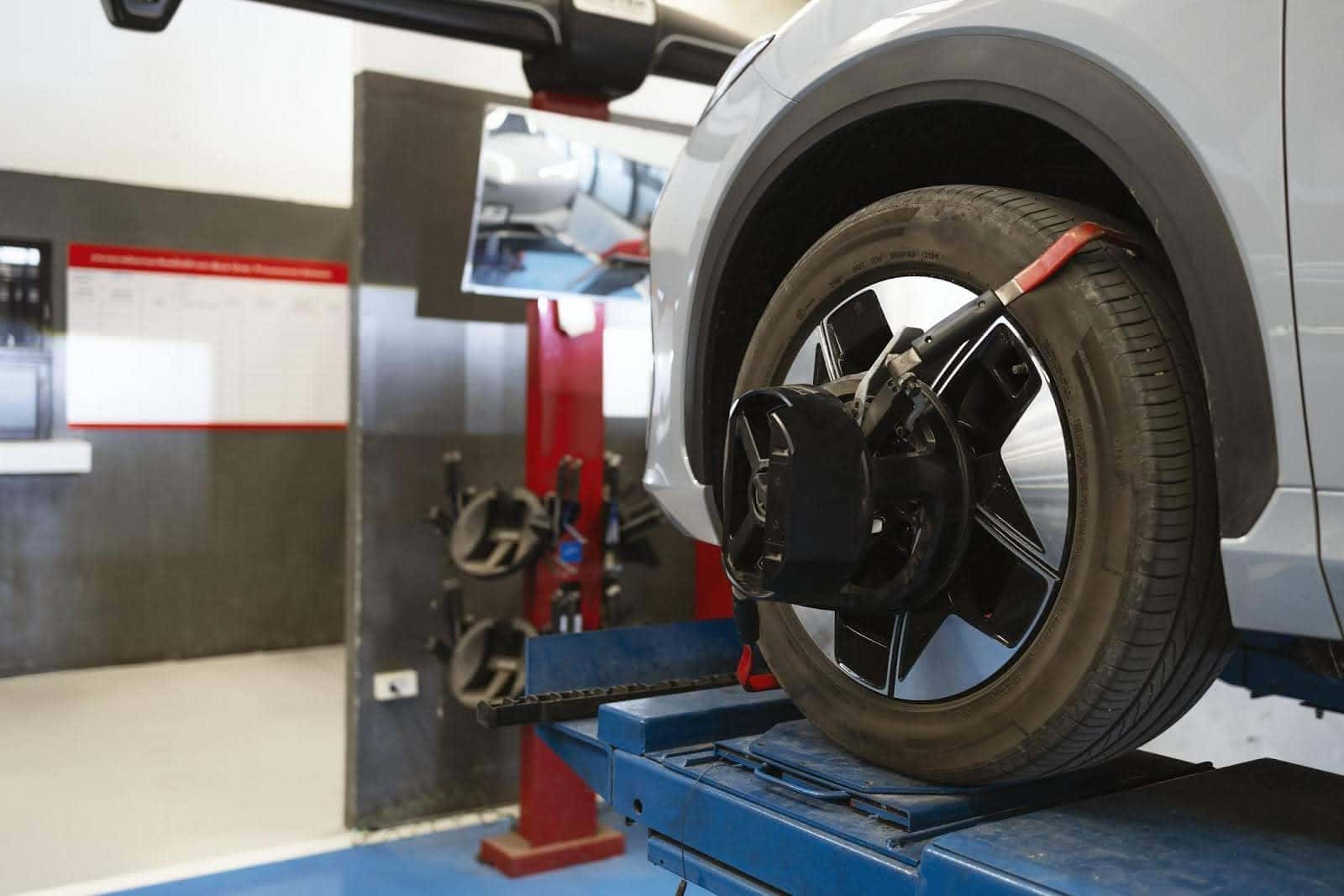
New Jersey drivers know pothole season well. Freeze-thaw cycles crack pavement, creating sharp impacts that damage wheels, suspension components, and alignment angles.
Symptoms of Alignment Problems
- Steering wheel off-center
- Vehicle drifting or pulling
- Uneven tire wear
- Reduced fuel efficiency
Suspension Components to Inspect
- Shocks and struts
- Control arms
- Ball joints
- Tie rods
Driving with poor alignment does more than wear tires. It affects handling precision and increases braking distance.
5. Battery Health: Winter Weakens Internal Capacity
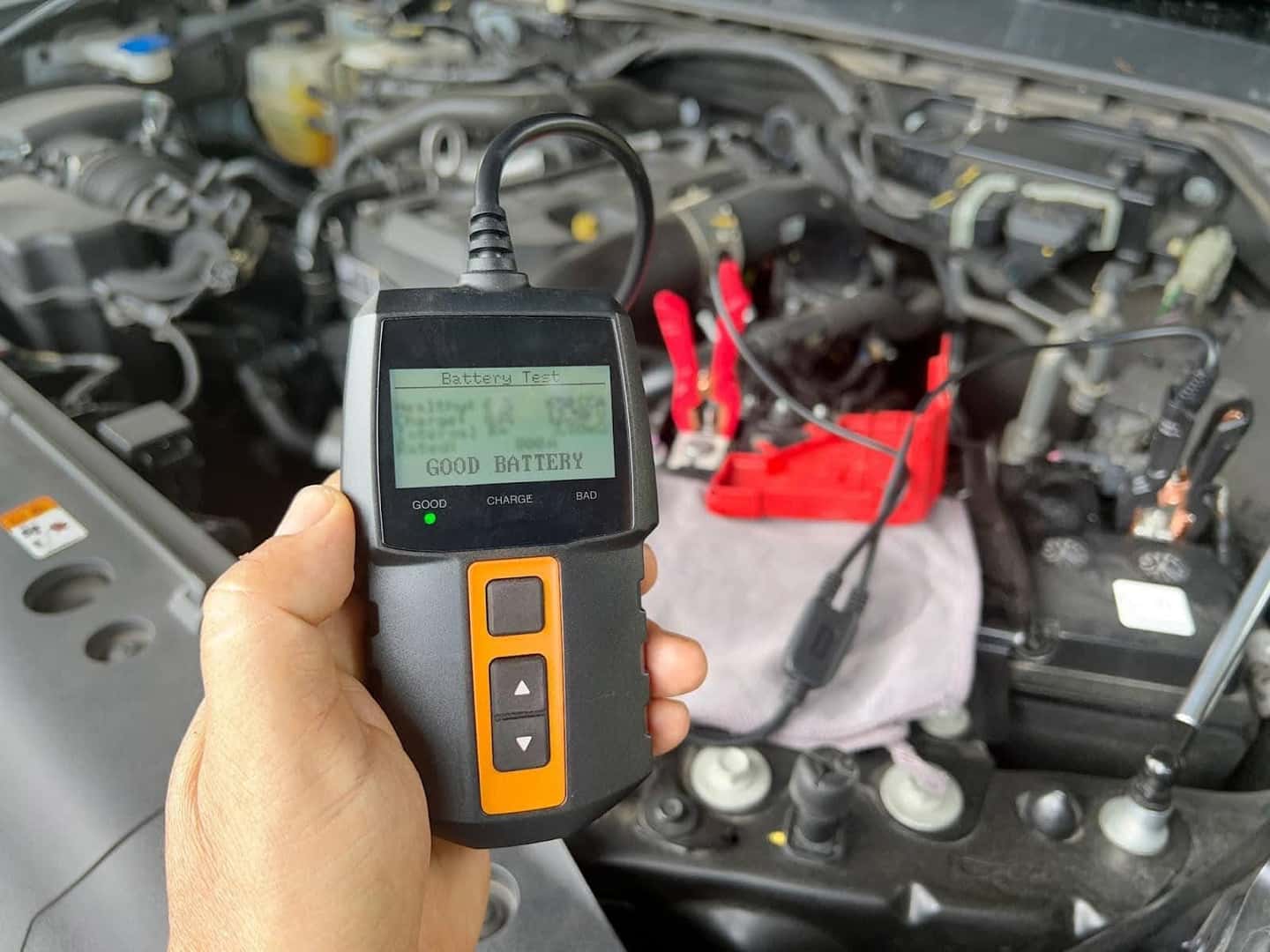
Cold temperatures reduce battery performance by up to 50 percent. If your battery was already aging, winter may have pushed it near failure.
Why Spring Testing Matters
Warmer weather does not repair internal battery damage. In fact, heat accelerates battery degradation.
Signs of a Weak Battery
- Slow engine cranking
- Dim headlights
- Electrical glitches
- Corrosion around terminals
- Battery older than 3 to 5 years
A professional load test evaluates remaining battery life and charging system performance.
Additional Spring Maintenance Considerations
While tires, brakes, fluids, alignment, and battery health are priorities, spring is also a smart time to check:
- Wiper blades for streaking or cracking
- Cabin air filter after heavy winter use
- Undercarriage for salt buildup
- Exterior paint for salt-related corrosion
- Air conditioning performance before summer heat
Routine inspections reduce long-term repair costs and maintain resale value.
Why Spring Service Is Essential in New Jersey
New Jersey roads present unique challenges. Coastal salt air, heavy traffic corridors, freezing winters, and aggressive pothole seasons create year-round stress.
A proactive spring inspection helps you:
- Prevent breakdowns during spring road trips
- Protect fuel efficiency
- Maintain safe braking distances
- Extend tire lifespan
- Avoid surprise battery failure
Whether you drive a Chevrolet Silverado for work, a Traverse for family trips, or an Equinox for daily commuting, seasonal care makes a measurable difference.
Schedule Your Spring Inspection
The certified technicians at Richard Lucas Chevrolet understand exactly how local conditions affect your vehicle. Our comprehensive multi-point spring inspection checks the systems that winter impacts most.
Schedule your spring maintenance appointment today and drive into the new season with confidence, safety, and peace of mind.
0 comment(s) so far on Spring Vehicle Maintenance Checklist for New Jersey Drivers: What to Inspect After Winter