


New vs. Used Cars: The Complete Guide to Making the Right Choice
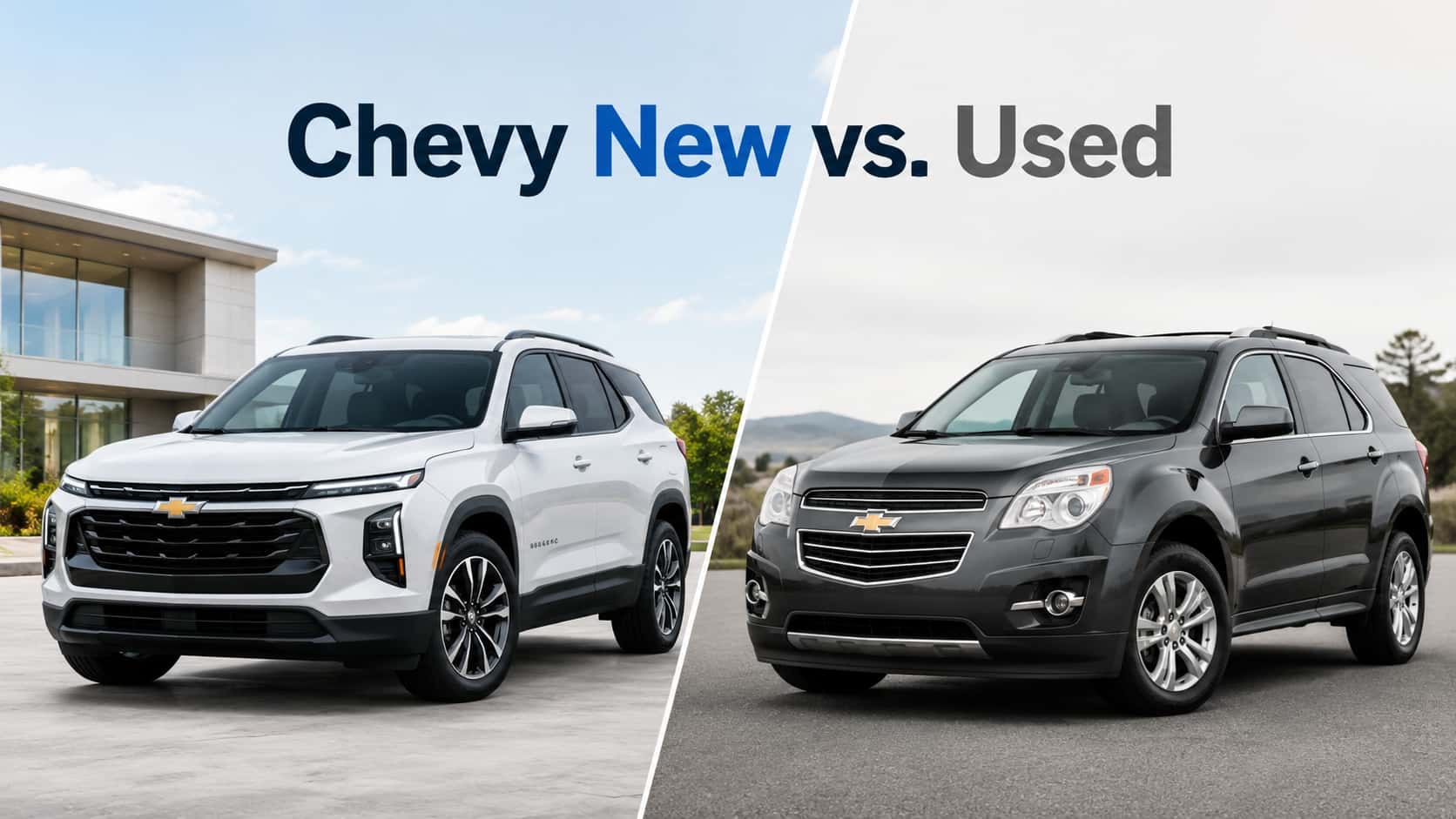
Buying a vehicle is one of the most significant financial decisions most people make. While the excitement of shopping for a car can be fun, choosing between a new vehicle and a used vehicle often creates uncertainty.
Many shoppers assume the decision is simple: new cars are better, and used cars are cheaper. In reality, the choice is far more nuanced.
The best vehicle for one buyer may be the wrong choice for another. Your budget, driving habits, financing options, future plans, maintenance expectations, and even your personality can all play a role in determining which option makes the most sense.
At Richard Lucas Chevrolet, we work with drivers at every stage of the buying journey. Before making your decision, it’s important to understand the advantages, disadvantages, hidden costs, and long-term ownership considerations that come with both options.
Understanding the True Cost of Vehicle Ownership
One of the biggest mistakes shoppers make is focusing solely on the purchase price.
A vehicle’s sticker price only tells part of the story. The real cost of ownership includes every dollar you spend during the years you own the vehicle.
These expenses may include:
- Down payment
- Monthly loan payments
- Interest charges
- Sales tax
- Registration fees
- Insurance premiums
- Fuel costs
- Routine maintenance
- Unexpected repairs
- Tires and brakes
- Vehicle depreciation
For example, a used vehicle may have a lower purchase price but require more maintenance over time. A new vehicle may cost more initially but save money through warranty coverage and fewer repair expenses during the first several years.
The smartest buyers evaluate the complete ownership picture instead of focusing exclusively on monthly payments.
Why Many Buyers Choose New Vehicles
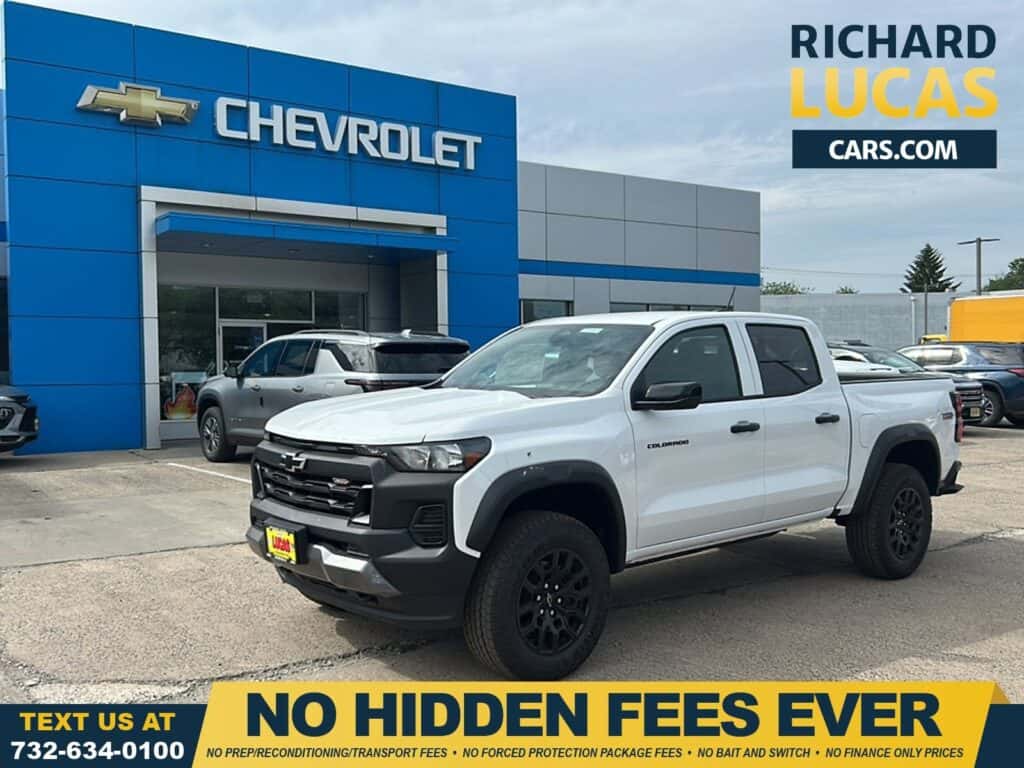
There’s a reason new vehicles continue to attract millions of buyers every year. Driving a brand-new vehicle offers benefits that extend far beyond appearance.
-
The Latest Safety Technology
Vehicle safety technology has advanced dramatically over the past decade.
Modern Chevrolet vehicles are equipped with sophisticated systems designed to help drivers avoid accidents and improve awareness behind the wheel.
Depending on the model and trim level, these features may include:
- Automatic Emergency Braking
- Forward Collision Alert
- Front Pedestrian Braking
- Rear Pedestrian Alert
- Lane Keep Assist with Lane Departure Warning
- Blind Zone Steering Assist
- Adaptive Cruise Control
- HD Surround Vision Cameras
- Rear Cross Traffic Braking
These technologies can help reduce driver stress while providing additional confidence during daily commutes and long-distance travel.
When comparing a newer vehicle to a used vehicle that is five or more years older, the safety difference can be substantial.
-
Warranty Coverage and Peace of Mind
One of the most valuable benefits of purchasing a new vehicle is warranty protection.
Most new vehicles include comprehensive manufacturer warranties that help protect owners from unexpected repair expenses during the early years of ownership.
This can include:
- Bumper-to-bumper warranty coverage
- Powertrain warranty protection
- Corrosion protection
- Roadside assistance programs
Knowing that major components are covered can provide tremendous peace of mind, particularly for buyers who depend on their vehicle every day.
-
Better Reliability
Every vehicle experiences wear over time.
A new vehicle begins its life with:
- New engine components
- New transmission components
- New suspension parts
- New tires
- New brakes
- New electronics
Because there is no previous ownership history, buyers know exactly how the vehicle has been driven and maintained from day one.
-
Improved Fuel Efficiency
Automakers continue to improve engine efficiency and vehicle aerodynamics.
Many newer models offer better fuel economy than similar vehicles produced several years ago.
Over the course of ownership, fuel savings can help offset part of the higher purchase price.
This is especially important for drivers with long commutes or families who frequently travel.
-
Access to Manufacturer Incentives
Many buyers overlook one major advantage of purchasing new.
Manufacturers frequently offer special programs that can significantly reduce ownership costs.
Examples include:
- Low APR financing
- Cash-back incentives
- Loyalty rewards
- Military discounts
- First responder programs
- College graduate incentives
These promotions can sometimes narrow the price gap between new and used vehicles more than shoppers expect.
The Hidden Downsides of Buying New
Despite their advantages, new vehicles are not perfect.
Understanding the potential drawbacks helps buyers make a balanced decision.
-
Depreciation Happens Fast
Depreciation refers to the reduction in a vehicle’s value over time.
New vehicles typically experience their most significant depreciation during the first few years of ownership.
The moment a vehicle becomes “used,” its market value begins to decline.
While depreciation shouldn’t necessarily discourage buyers from purchasing new, it is important to recognize that a vehicle’s resale value may be significantly lower than its original purchase price after several years.
-
Higher Insurance Costs
Insurance companies determine premiums using multiple factors, including replacement cost.
Because new vehicles are generally more expensive to repair or replace, insurance premiums are often higher compared to older vehicles.
The difference may seem small monthly, but over several years, it can become a meaningful ownership expense.
-
Higher Registration and Tax Costs
In many states, registration fees and taxes are partially influenced by vehicle value.
As a result, new vehicle owners may pay more during the initial years of ownership.
Why Used Vehicles Continue to Be Popular
Used vehicles remain an excellent choice for many buyers.
In fact, purchasing used can be one of the smartest financial decisions a shopper makes.
-
Lower Purchase Prices
The most obvious benefit is affordability.
A used vehicle generally costs less than an equivalent new model.
This creates several opportunities:
- Lower monthly payments
- Smaller down payments
- Reduced borrowing needs
- More flexibility within your budget
Many buyers discover they can afford a higher trim level, larger vehicle, or additional features by purchasing used.
-
Slower Depreciation
A significant portion of depreciation has already occurred by the time a vehicle enters the used market.
As a result, used vehicles often lose value more slowly than new vehicles.
For buyers concerned about resale value, this can be a major advantage.
-
Potentially Lower Insurance Premiums
Since used vehicles usually have lower replacement values, insurance premiums may also be lower.
The exact savings vary based on driver history, location, and vehicle type, but many buyers appreciate the opportunity to reduce recurring expenses.
-
Greater Value Per Dollar
A buyer with a $30,000 budget may have several choices:
- A brand-new base model
- A lightly used mid-level trim
- A well-equipped higher trim with premium features
Used inventory often allows buyers to access luxury features without exceeding their budget.
Myth: Why Odometer Numbers Don’t Tell the Full Story
One of the most misunderstood aspects of buying a used vehicle is mileage.
Many shoppers automatically assume lower mileage means a better vehicle.
That’s not always true.
A vehicle with 90,000 miles that received regular maintenance may be in far better condition than a vehicle with 45,000 miles that was neglected.
Instead of focusing exclusively on mileage, buyers should examine:
- Service records
- Oil change history
- Tire condition
- Brake condition
- Accident history
- Number of previous owners
Maintenance history often provides a more accurate picture of a vehicle’s condition than mileage alone.
Why Vehicle History Reports Matter
Before purchasing any used vehicle, buyers should review a vehicle history report.
These reports may reveal:
- Previous accidents
- Title issues
- Flood damage
- Ownership history
- Service records
- Odometer discrepancies
A clean vehicle history report can provide valuable reassurance during the buying process.
Certified Pre-Owned: The Best of Both Worlds
For many shoppers, Certified Pre-Owned (CPO) vehicles represent the ideal compromise.
Certified Pre-Owned vehicles undergo extensive inspections and must meet strict requirements established by the manufacturer.
Benefits often include:
- Comprehensive inspections
- Extended warranty coverage
- Roadside assistance
- Vehicle history verification
- Higher quality standards
Because of these protections, many buyers view Certified Pre-Owned vehicles as a middle ground between new and traditional used vehicles.
An Overlooked Factor: Technology Aging
Most buyers think about mechanical reliability.
Fewer think about technological relevance.
Today’s vehicles contain sophisticated technology that affects daily ownership experiences.
Features such as:
- Smartphone integration
- Wireless charging
- Driver assistance systems
- Digital displays
- Connectivity features
can quickly become outdated.
Buyers who prioritize technology may find more long-term satisfaction in a newer vehicle.
Questions Every Buyer Should Ask
Before purchasing any vehicle, ask yourself:
- How much can I comfortably spend each month?
- How long will I own this vehicle?
- How important are the latest safety features?
- Do I prioritize value or peace of mind?
- Am I comfortable with potential repair costs?
- How much do I drive each year?
- What features matter most to me?
- What will this vehicle be worth when I’m ready to sell or trade it?
The answers often reveal which option aligns best with your goals.
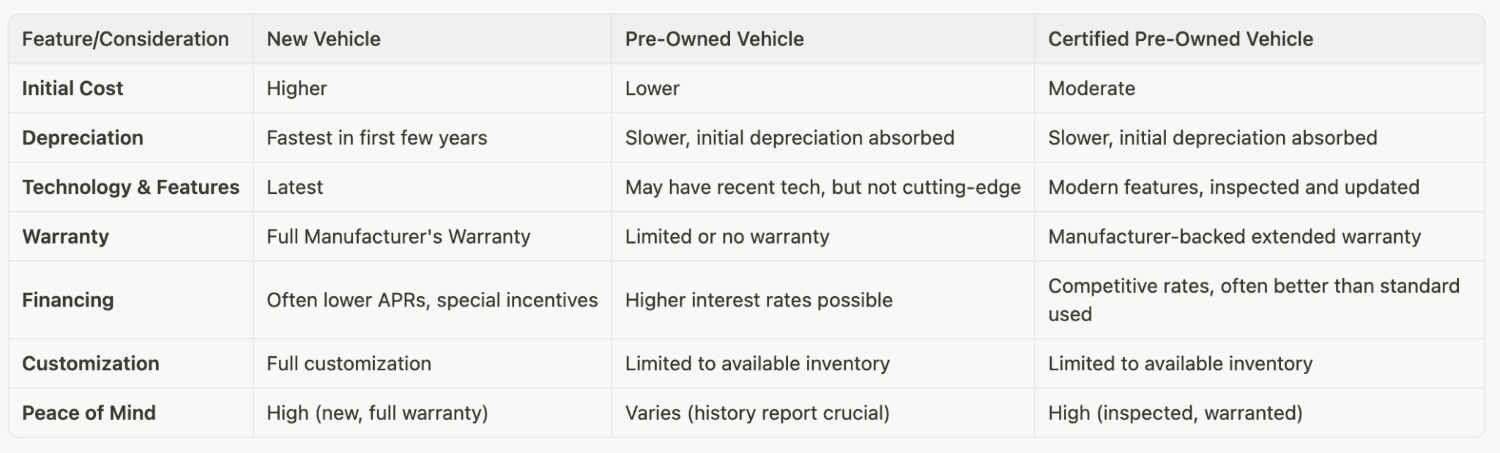
The Bottom Line
The decision between a new and used vehicle involves much more than comparing sticker prices.
New vehicles offer advanced technology, comprehensive warranties, greater reliability, and access to manufacturer incentives. Used vehicles provide lower purchase prices, reduced depreciation, lower insurance costs, and exceptional value.
The smartest buyers evaluate total ownership costs, future resale value, maintenance expectations, financing options, and long-term goals before making a decision.
At Richard Lucas Chevrolet, we’re committed to helping drivers find the vehicle that fits their needs, budget, and lifestyle. Whether you’re interested in a brand-new Chevrolet, a Certified Pre-Owned model, or a quality used vehicle, our team can help you explore your options and make a confident decision.
0 comment(s) so far on New vs. Used Cars: The Complete Guide to Making the Right Choice