


How Winter Affects Chevy Electric Vehicles
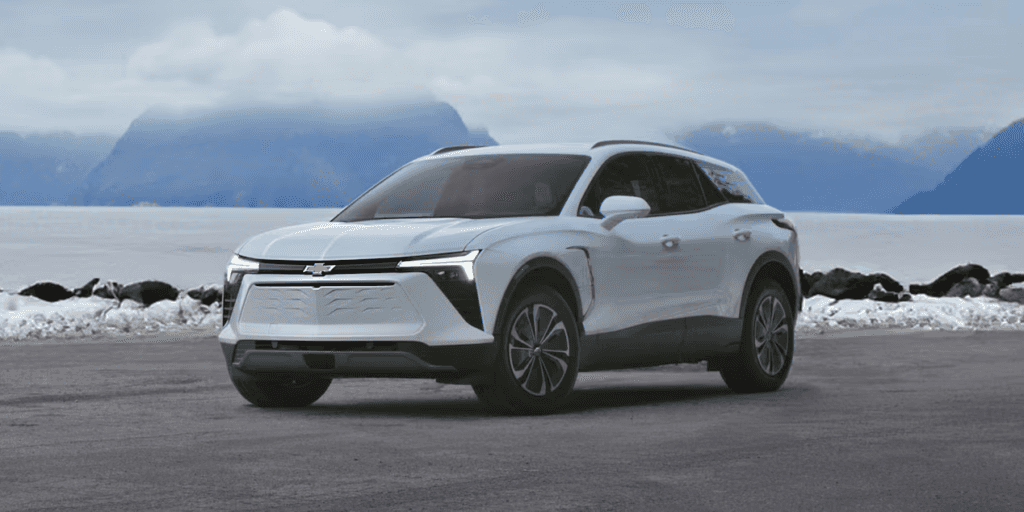
Electric vehicles are becoming more common on New Jersey roads. They are quiet, smooth, fast, and easy to maintain. But one question always comes up for both new EV owners and shoppers who are considering making the switch:
How do EVs perform in winter?
The truth is simple. Cold weather affects electric vehicles in ways that are different from gas-powered cars, and understanding those differences helps you get the best performance out of your Chevy EV every day. Chevrolet designs its EVs to handle harsh winter conditions through smart engineering, advanced thermal systems, and extensive real-world testing.
How Winter Conditions Affect EV Range
-
Cold, Dense Air
Cold air is heavier than warm air. At highway speeds, this increases aerodynamic drag, forcing the vehicle to work harder to maintain speed. The increase in energy demand can reduce total driving range.
-
Snow and Ice Buildup
Snow or ice sticking to the exterior adds weight and disrupts airflow. This reduces efficiency and increases drag, which lowers range over time.
-
Cabin Heating Draws Power
In an EV, cabin heat is powered directly by the battery. High demand for heat on very cold days uses more energy than cooling the cabin in summer. This is one of the biggest contributors to reduced range in winter.
-
Cold Battery Chemistry
Lithium-ion batteries operate best in moderate temperatures. When they get cold, the chemical reactions slow down, and the battery temporarily holds less usable energy. Range returns once the battery warms up.
Tire Pressure and Winter Efficiency
Tire pressure drops roughly one PSI for every ten degrees of temperature decrease.
Underinflated tires reduce:
- Range
- Traction
- Cornering stability
- Braking performance
Chevy EVs display tire pressure on the dashboard and inside the myChevrolet mobile app, helping you keep your tires properly inflated through the season.
Cabin Heating in Electric Vehicles
Unlike gas engines that create heat as a by-product, EVs must produce heat using electric power. This makes heating strategies more important.
Chevy helps reduce cabin energy use with:
- Heated front seats
- Heated rear seats on select trims
- Heated steering wheel
- Seat-specific climate control
- Heat pump and Eco Climate
Focusing heat where it is needed most keeps you warm and protects your total driving range.
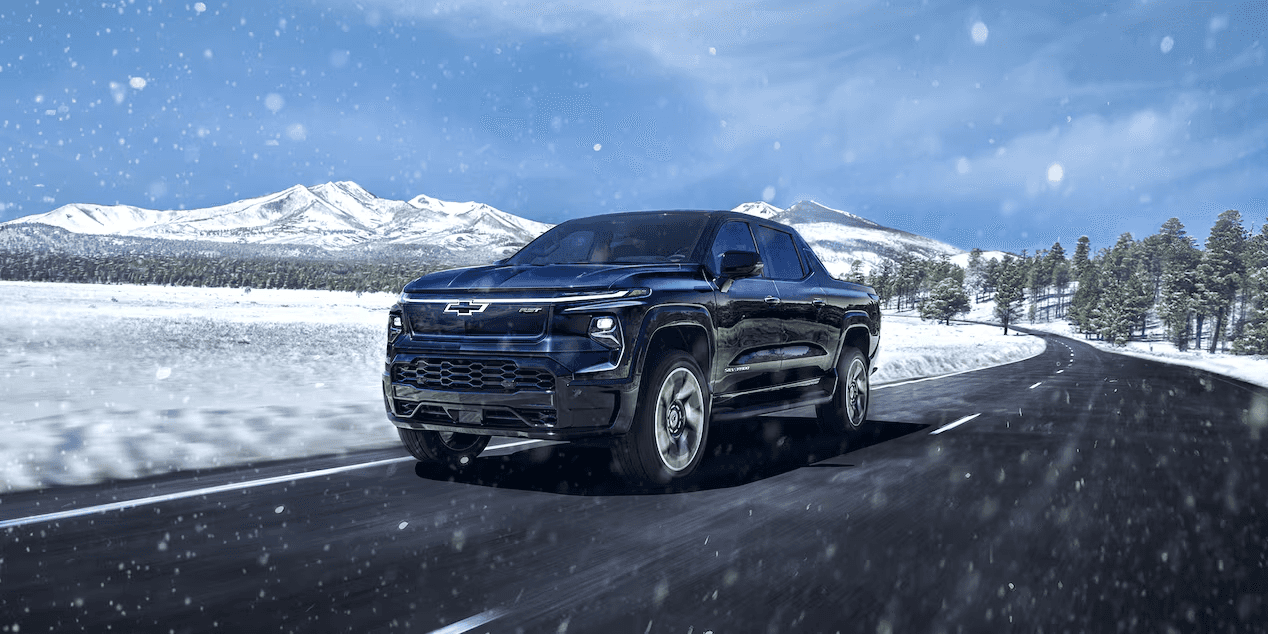
Winter Tips to Maximize EV Performance
1. Precondition Before Driving
Preconditioning warms the cabin and battery while the vehicle is plugged in. This preserves battery energy and gives you more usable range.
Benefits include:
- Improved efficiency
- Faster cabin heating
- Better regenerative braking
- Smoother acceleration from the start
You can precondition using the myChevrolet app or remote start.
2. Use Regenerative Braking for Energy Recovery
Regen on Demand helps convert motion into electricity. During winter driving, regen may be reduced temporarily when the battery is too cold to accept a charge. Once the battery warms, full regenerative braking returns.
Using regen effectively:
- Improves range
- Reduces brake wear
- Creates smoother deceleration
- Helps manage slippery surfaces
3. Monitor Tire Pressure Regularly
Proper tire pressure ensures optimal contact with the road. In winter, this is especially important for:
- Stopping distance
- Snow traction
- Energy efficiency
- Battery conservation
Your vehicle display or myChevrolet app helps you track pressure quickly and easily.
4. Use Eco Climate for Smart Heating
Eco Climate helps balance comfort with efficiency by controlling airflow based on passenger locations. Engaging this feature helps reduce energy waste and extend range during long winter drives.
5. Use Heated Features First
Heated seats and steering wheel warm occupants directly. They require far less battery power than warming the full cabin.
These features heat up quickly and keep energy use low. They are among the most effective tools for maximizing winter range.
6. Clear Snow and Ice Before You Drive
Snow and ice obstruct airflow, add weight, and block sensors.
Removing it ensures:
- Better efficiency
- Correct airflow
- Accurate operation of cameras and sensors
- Improved performance of safety systems
Keeping the grill area, side cameras, and radar sensors clean ensures driver assistance features work correctly.
Cold Weather Charging
Charging at home or at public stations is reliable in winter, but you may notice slower charging speeds when the battery is cold. This is normal because the battery limits intake until it reaches a safe temperature.
To prepare for winter charging:
- Keep the charge port clear of ice
- Brush snow away from the charging door
- Use preconditioning before fast charging
- Park in a garage when possible
The myChevrolet mobile app can also help plan long drives, find charging stations and schedule preconditioning before fast charging sessions.
EV Cold Weather FAQs
-
Are Chevy EVs winter tested?
Yes. They are tested in extreme cold to evaluate battery durability, range consistency, and traction control.
-
Does cold weather reduce EV range?
Yes, similar to how winter reduces fuel efficiency in gas vehicles.
-
How much range will I lose?
The amount varies based on outside temperature, driving style, cabin heating, and terrain.
-
Can Rear Wheel Drive EVs handle snow?
Yes. Winter traction is strong thanks to weight distribution and advanced stability systems. Winter tires are recommended for the best performance.
-
Can EVs charge in freezing weather?
Yes. The battery may warm itself before accepting a faster charge, but the process is reliable in cold conditions.
-
Can an EV battery freeze?
No. The liquid thermal system prevents freezing. Cold temperatures may temporarily reduce efficiency.
Chevrolet builds its electric vehicles for year-round reliability. With smart engineering, efficient climate systems, and strong winter testing, your Chevy EV is ready for everything the season brings. A few simple habits like preconditioning, proper tire pressure and efficient cabin heating help maintain strong performance all winter long.
If you want to prepare your EV for winter or schedule a seasonal inspection, the team at Richard Lucas Chevrolet is here to help.
0 comment(s) so far on How Winter Affects Chevy Electric Vehicles