


Back-to-School Vehicle Checklist for New Jersey Drivers
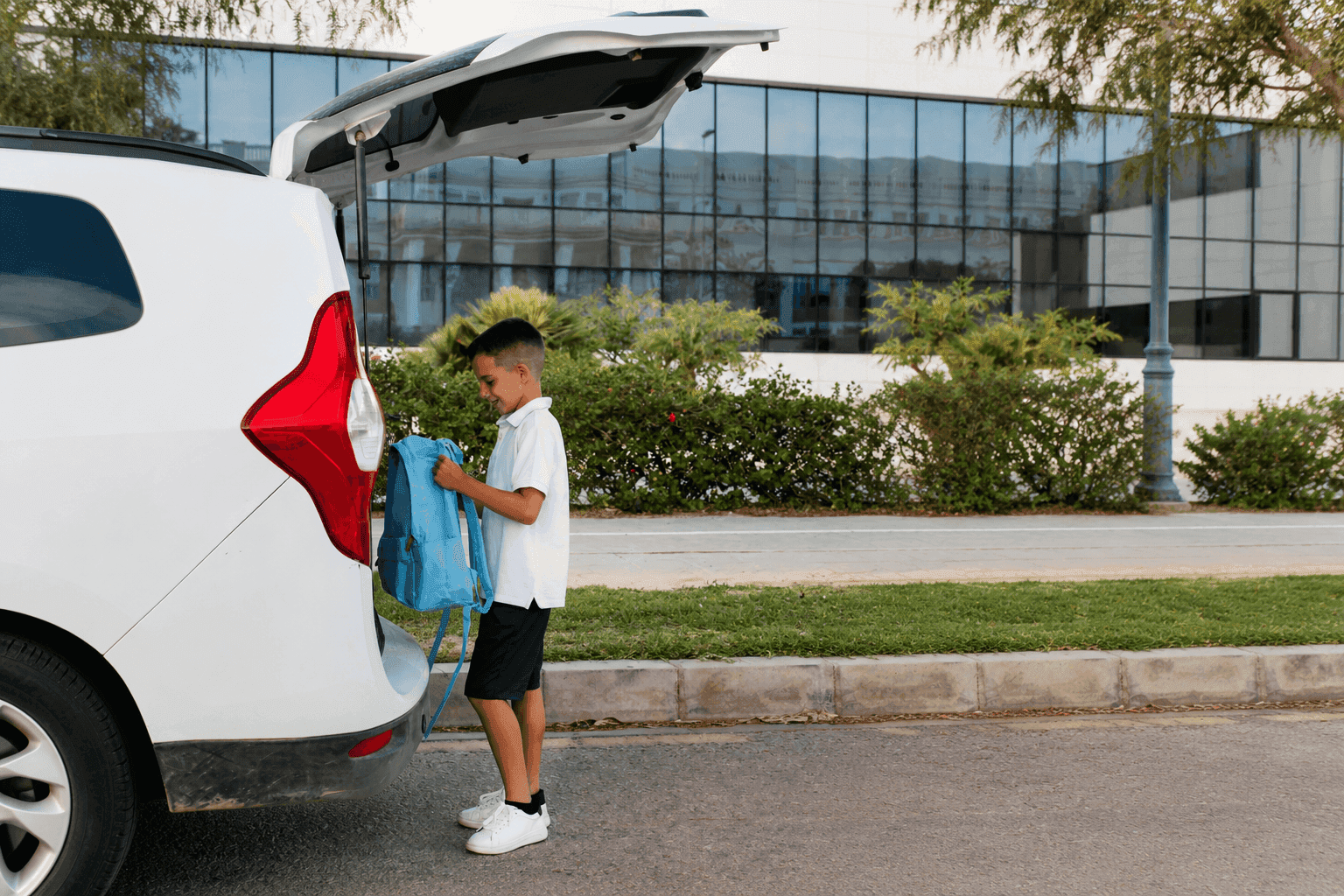
Back-to-school season means busy mornings, school drop-offs, practices, work commutes, and more time on New Jersey roads. With your schedule picking up, having a reliable vehicle can make everyday routines easier and help prevent unexpected interruptions.
Before the school year gets into full swing, take time to check your Chevrolet’s essential systems. Tires, brakes, fluids, battery, lights, and other key components all play an important role in keeping your vehicle prepared for daily driving.
Use this back-to-school vehicle checklist to help get your Chevrolet ready for the busy months ahead.
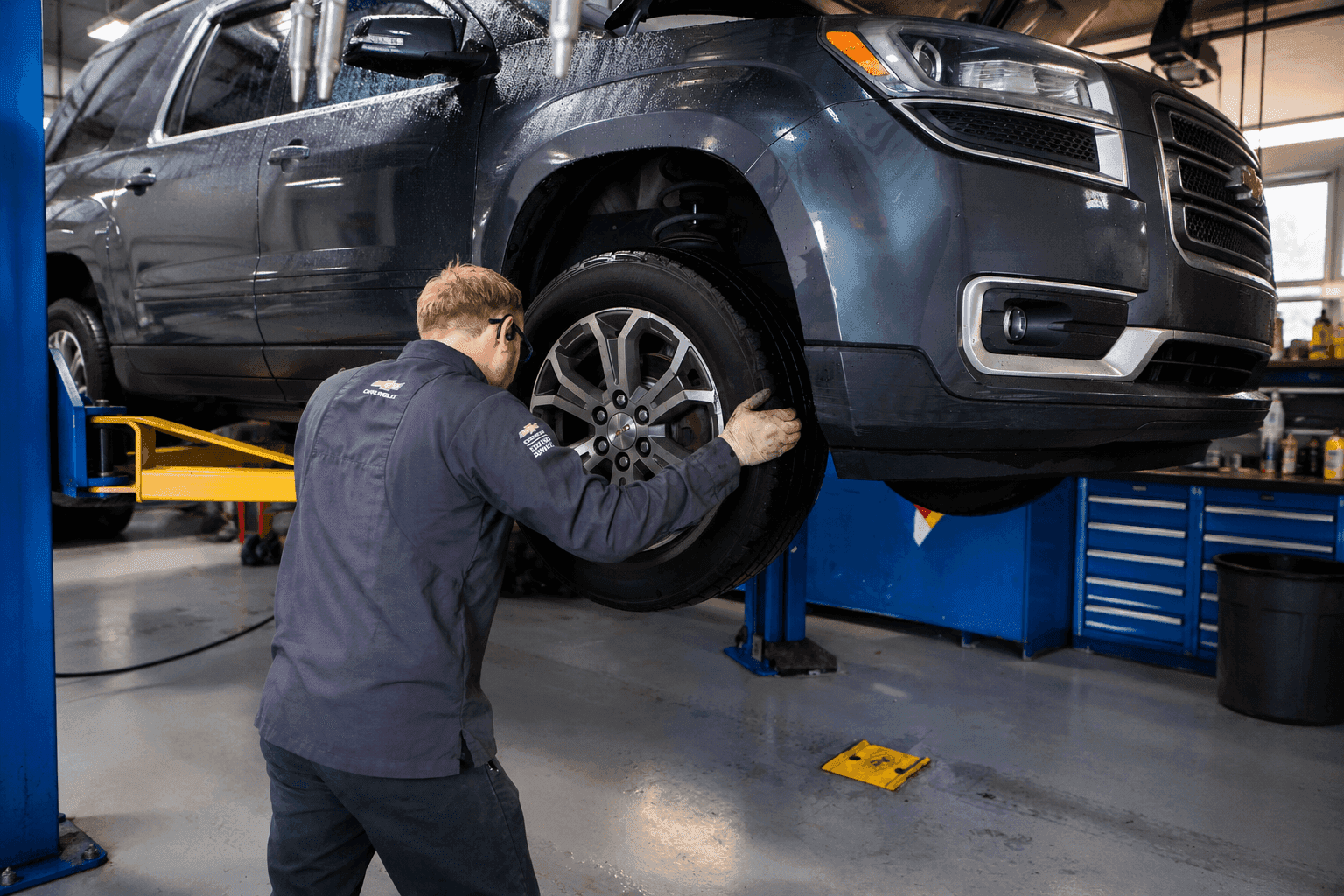
1. Check Your Tires
Your tires are your vehicle’s direct connection to the road, making their condition especially important as traffic increases during the school year.
Take a few minutes to inspect:
- Tire pressure: Proper inflation can support handling, fuel efficiency, and even tire wear. Check the recommended pressure listed for your specific vehicle rather than relying solely on the number printed on the tire.
- Tread depth: Adequate tread helps your tires maintain traction, especially on wet roads. If the tread appears significantly worn or uneven, it may be time for a professional inspection.
- Visible damage: Look for cracks, bulges, punctures, or other signs of damage that could affect tire performance.
- Uneven wear: Uneven tread can sometimes indicate an alignment, suspension, or inflation issue that should be evaluated.
New Jersey weather can change quickly, so having tires in good condition can help your Chevrolet stay prepared for both dry and rainy school-day commutes.
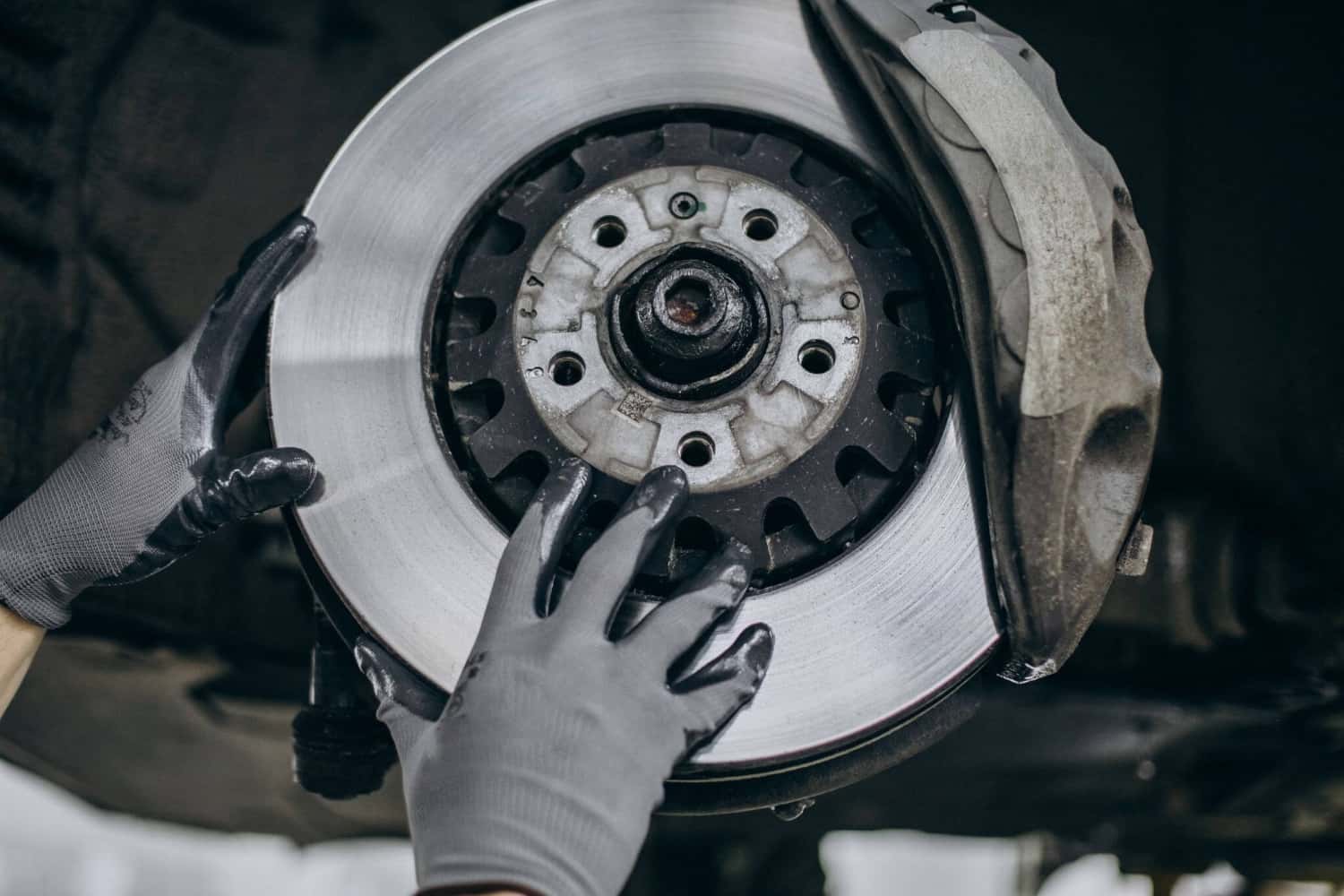
2. Test the Brakes
School zones, crosswalks, buses, cyclists, and increased pedestrian traffic can require frequent stopping. Reliable brakes are essential for everyday driving.
Pay attention to:
- Unusual sounds: Squealing, grinding, or other unfamiliar noises during braking may indicate that components need attention.
- Changes in pedal feel: A brake pedal that feels noticeably different than usual should be inspected.
- Vehicle movement while braking: Pulling to one side or unusual vibration may signal an issue with the braking system.
- Brake warning lights: Never ignore a warning light related to your braking system.
If something feels different when you brake, scheduling a professional inspection can help identify the cause.
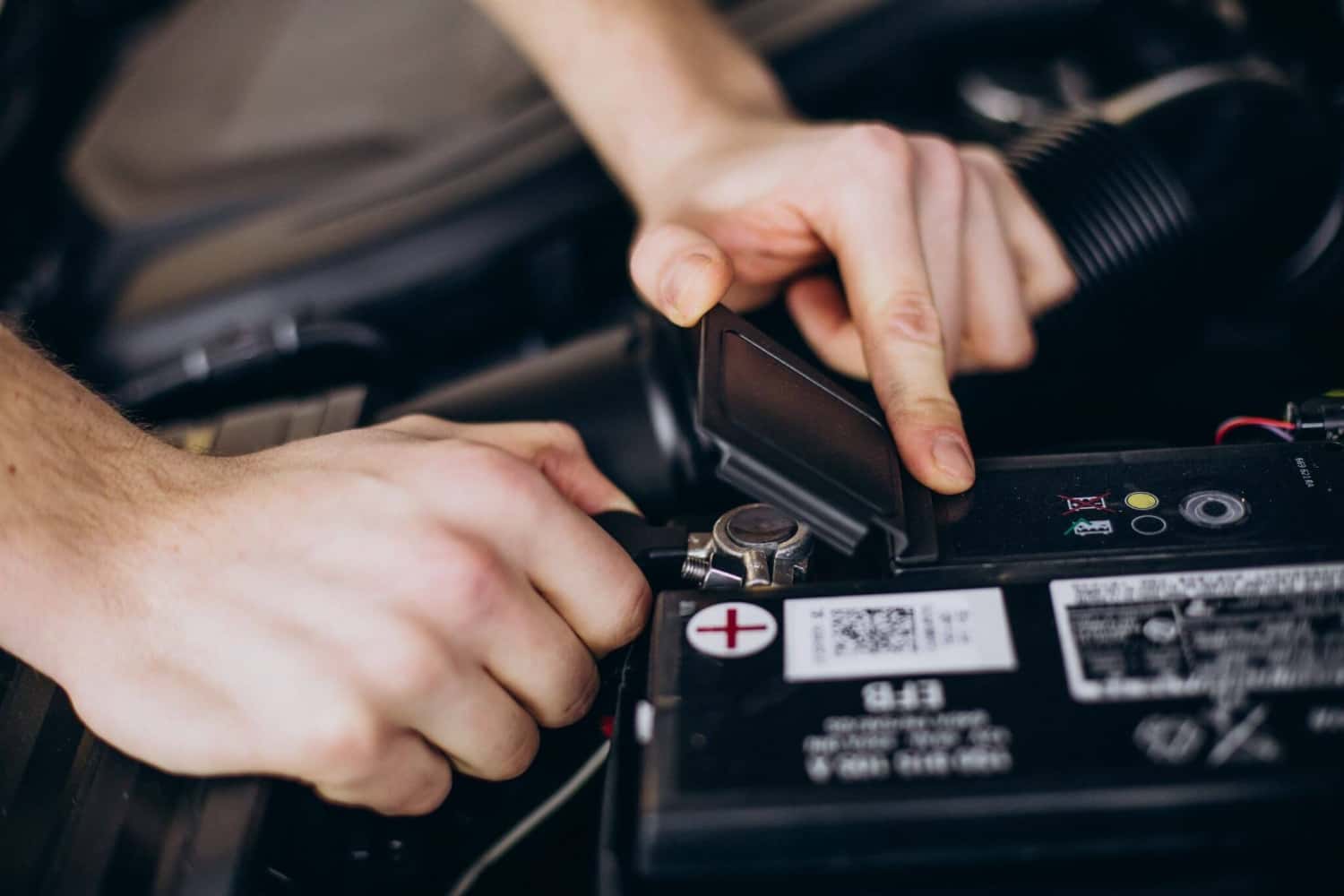
3. Check Your Battery
Few things disrupt a busy morning faster than a vehicle that will not start.
Your battery works hard throughout the year, especially during periods of extreme temperatures. Before the school schedule gets hectic, consider having the battery tested.
Look for:
- Slow or hesitant engine starts
- Dim or flickering interior or exterior lights
- Dashboard battery warnings
- Corrosion around battery terminals
- A battery approaching the end of its expected service life
A battery test can provide a better understanding of its current condition and help reduce the chance of an unexpected starting issue.
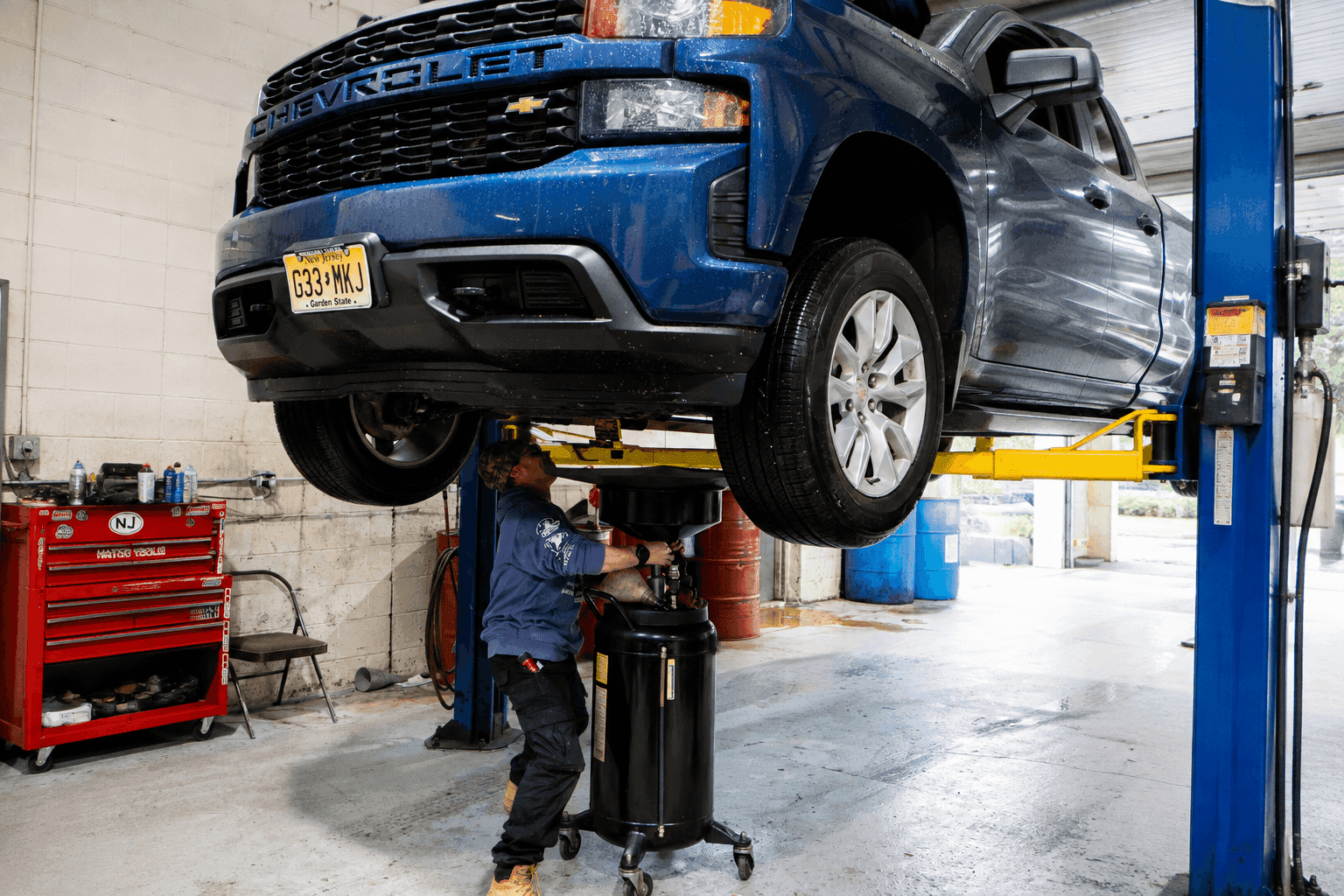
4. Inspect Your Vehicle’s Fluids
Your Chevrolet relies on several fluids to keep major systems operating properly. Fluid levels and condition should be checked according to your vehicle’s recommended maintenance schedule.
Important fluids may include:
- Engine oil: Helps lubricate and protect moving engine components.
- Coolant: Helps regulate engine temperature and protect against overheating.
- Brake fluid: Supports proper operation of the braking system.
- Windshield washer fluid: Keeps your windshield clear when dirt, road debris, or bad weather reduces visibility.
- Transmission fluid: Supports transmission operation in vehicles where inspection or service is applicable.
If you notice fluid underneath your parked vehicle or a level repeatedly dropping, schedule an inspection rather than simply continuing to refill it.
5. Test Your Lights
With school starting and daylight hours gradually becoming shorter, properly functioning lights become increasingly important.
Check your:
- Headlights
- High beams
- Brake lights
- Turn signals
- Hazard lights
- Reverse lights
- Interior lights
Working exterior lights help you see the road and allow pedestrians, cyclists, school buses, and other drivers to better understand what your vehicle is doing.
6. Inspect Your Windshield Wipers
New Jersey drivers know that clear skies can quickly turn into heavy rain.
Check your windshield wipers for cracking, splitting, or streaking. If the blades leave sections of the windshield unclear or make excessive noise, replacement may improve visibility.
It is also a good time to refill your windshield washer fluid so you are prepared for rain, road grime, pollen, and other debris.
7. Check the Heating and Air Conditioning System
August and September can still bring hot temperatures to New Jersey, while cooler mornings arrive as fall approaches.
Test your climate control system before you need it most. Make sure:
- The air conditioning is cooling properly.
- The heater produces warm air.
- The defroster operates correctly.
- Airflow is strong and consistent.
- Unusual smells or sounds are addressed.
A properly functioning climate system supports passenger comfort, while the defroster can play an important role in maintaining visibility during colder or damp mornings.
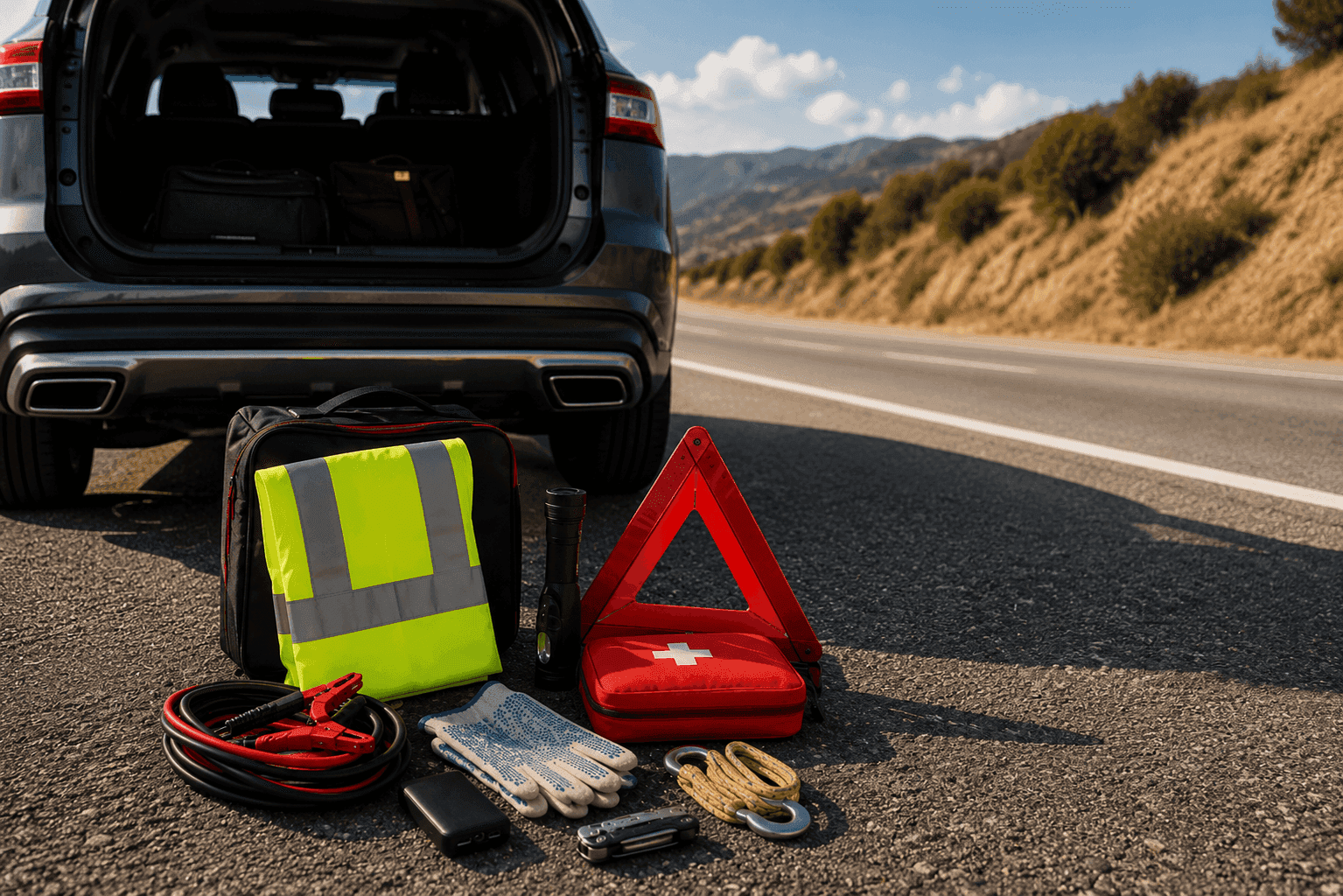
8. Review Your Emergency Supplies
Even a well-maintained vehicle can encounter unexpected situations. Keeping a few basic supplies in your Chevrolet can help you stay prepared.
Consider carrying:
- First-aid supplies
- Flashlight
- Phone charging cable
- Reflective warning equipment
- Jumper cables or an appropriate portable jump starter
- Tire pressure gauge
- Seasonal clothing or blankets as temperatures begin to drop
- Important roadside assistance information
Review these supplies periodically and replace anything that is expired, damaged, or missing.
9. Make Sure Your Chevrolet Is Up to Date on Maintenance
One of the easiest ways to prepare for the school year is to review your vehicle’s recommended maintenance schedule.
Depending on your Chevrolet’s mileage, age, condition, and service history, maintenance may include oil and filter service, tire rotation, brake inspection, battery testing, fluid checks, and other manufacturer-recommended services.
Staying current with maintenance can help identify potential concerns before they interfere with school, work, or family schedules.
Get Your Chevrolet Ready for the School Year
Back-to-school season is already busy enough. Your vehicle should be ready to keep up.
Before the morning drop-offs, afternoon pickups, practices, games, and weekend activities take over the calendar, give your Chevrolet the attention it needs for the months ahead.
Richard Lucas Chevrolet is here to help New Jersey drivers keep their vehicles prepared for the road with professional Chevrolet service and maintenance.
Schedule your service with Richard Lucas Chevrolet and start the school year ready for every drive ahead.
0 comment(s) so far on Back-to-School Vehicle Checklist for New Jersey Drivers